Best PTO Generators for Farms 2026: 15 kW to 30 kW Compared
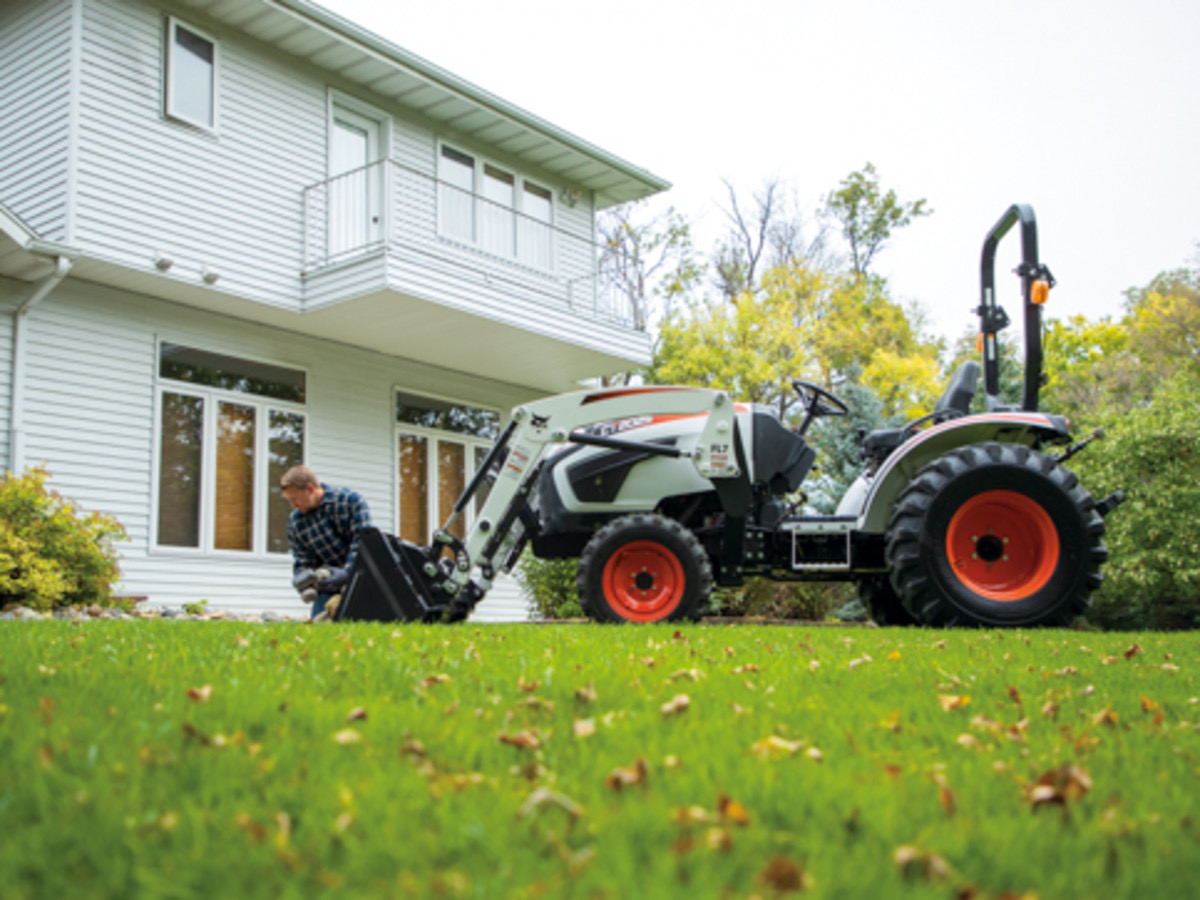
A PTO generator converts tractor horsepower into electrical output through the tractor’s Power Take-Off shaft — the same interface used to run rotary cutters, tillers, wood chippers, and hay equipment. For farm operations that already own a tractor, a PTO generator eliminates the need for a separate standby generator engine, maintenance interval, and fuel system. The tradeoff is that the generator is tractor-dependent: when the tractor is running implements, it is not running the generator.
PTO generators are sized in kilowatts (kW), and the tractor horsepower requirement is the critical constraint. The rule per ASABE standards and generator manufacturer specifications: plan for approximately 2 HP of tractor PTO horsepower per 1 kW of generator output. A 15 kW PTO generator requires approximately 21 HP at the PTO shaft — so a 25 HP tractor with 18 HP at the PTO can drive a 15 kW unit under most load conditions, but will run near capacity on heavy loads.
Sizing: What Load Do You Actually Need to Run?
Before comparing generator models, calculate the load. Per standard electrical load data:
| Application | Approximate Load |
|---|---|
| Farm home (average draw, not surge) | 8–15 kW |
| Grain dryer (small, 20,000 BTU equiv.) | 5–8 kW |
| Center pivot irrigation pump (10 HP motor) | 9 kW running, 27 kW surge |
| Shop welder (MIG, 220V, 180A) | 4–6 kW |
| Well pump (1.5 HP) | 1.5 kW running, 4.5 kW surge |
| Walk-in cooler (2 tons cooling) | 4–6 kW |
Sizing rule: The generator must handle the highest simultaneous running load, not just the highest single load. Running a home (10 kW average) plus a well pump (1.5 kW) simultaneously requires 11.5 kW minimum continuous capacity. Most PTO generators are rated at continuous output; per manufacturer specifications, peak surge capacity is typically 110–120% of continuous rating.
The practical tiers for farm use:
- 15 kW (21 HP PTO required): Handles home backup power, shop equipment, and light farm loads. Does not support large irrigation pumps or grain dryers without load management.
- 20 kW (28 HP PTO required): Most versatile size for farms with a 35–50 HP compact tractor. Covers home backup, moderate shop loads, and small center pivot systems with motor starters.
- 30 kW (42 HP PTO required): Required for grain dryers, larger irrigation systems, and operations that need to run multiple high-draw loads simultaneously.
Quick Answer: PTO Generator Comparison
| Model | Continuous Output | PTO Speed | Min. Tractor HP | Phase | Price Range |
|---|---|---|---|---|---|
| Winco W15PTOS/G | 15 kW | 540 RPM | 21 HP (PTO) | Single | $2,400–$2,800 |
| NorthStar 15,000W | 15 kW | 540 RPM | 21 HP (PTO) | Single | $1,800–$2,200 |
| Winco W20PTOS/G | 20 kW | 540 RPM | 28 HP (PTO) | Single | $3,200–$3,800 |
| Winco W25PTOS/G | 25 kW | 540 RPM | 36 HP (PTO) | Single | $4,200–$5,000 |
| Country Line 30 kW | 30 kW | 540 RPM | 42 HP (PTO) | Single or 3-phase | $4,800–$6,200 |
PTO Generator Specs Explained
540 RPM vs 1000 RPM
The majority of farm tractors run 540 RPM at the PTO shaft — this is the standard for subcompact through mid-range utility tractors. Per ASABE S203.11, most tractors under 100 HP offer 540 RPM PTO; tractors above 100 HP typically offer both 540 RPM and 1000 RPM options.
Most PTO generators in the 15–30 kW range are designed for 540 RPM input. Verify the generator’s rated PTO speed matches the tractor’s PTO output speed before purchasing.
Single Phase vs Three Phase
Single phase (120/240V): Standard for home backup, shop equipment, and most farm applications. All residential wiring is single phase. Single-phase PTO generators cover the majority of small farm use cases.
Three phase (208/240/480V): Required for three-phase electric motors above approximately 5 HP. Common applications include large irrigation pump motors, grain elevator motors, and commercial refrigeration. If the farm has existing three-phase equipment, a three-phase PTO generator is necessary to run it.
Per standard electrical specifications, you cannot run a three-phase motor from a single-phase generator without a phase converter — and phase converters are inefficient and introduce power quality issues. If three-phase loads are present, specify a three-phase generator from the outset.
1-3/8” 6-Spline PTO Shaft Compatibility
Per ASABE standards, the 1-3/8” 6-spline shaft is the standard for farm tractors with PTO output. The vast majority of PTO generators use this connection. Verify the tractor’s PTO shaft size before purchasing; some larger tractors use 1-3/4” 21-spline shafts, which require a different connection or adapter.
Top PTO Generators
Winco W15PTOS/G — Best Overall
| Specification | Value |
|---|---|
| Continuous Output | 15 kW / 15,000W |
| PTO Speed | 540 RPM |
| Min. PTO HP Required | 21 HP |
| Voltage | 120/240V single phase |
| Frequency | 60 Hz |
| PTO Shaft | 1-3/8” 6-spline |
| Frame | Open, skid-mount |
| Made in USA | Yes (Le Center, MN) |
| Price Range | $2,400–$2,800 |
Check current price on Amazon →
Per Winco’s product documentation, the W15PTOS/G is built on a Winco-designed generator head manufactured in Le Center, Minnesota. Winco has manufactured PTO generators for agricultural and industrial customers since 1927; per the company’s specifications, the W15PTOS uses a brushless, self-excited generator head rated for continuous 15 kW output and a 20% overload capacity for surge loads.
The skid-mount frame allows the unit to be moved between tractors and stored when not in use. Per Winco’s documentation, the automatic voltage regulator (AVR) maintains output within ±2% of rated voltage under load — important for motor-starting loads and sensitive electronics.
The W15PTOS is the benchmark choice for farms that need a generator that will outlast the tractor it attaches to. The price premium over budget imports reflects the domestic manufacturing, industrial-duty generator head, and Winco’s parts and service network through agricultural dealers.
Best for: Farm operations that need reliable 15 kW output and prioritize long service life over initial cost. Winco’s dealer network provides parts and service for agricultural users.
NorthStar 15,000W PTO Generator — Best Value
| Specification | Value |
|---|---|
| Continuous Output | 15,000W / 15 kW |
| PTO Speed | 540 RPM |
| Min. PTO HP Required | 21 HP |
| Voltage | 120/240V single phase |
| Frequency | 60 Hz |
| PTO Shaft | 1-3/8” 6-spline |
| Frame | Open, skid-mount |
| Price Range | $1,800–$2,200 |
Check current price on Amazon →
Per NorthStar product documentation, the 15,000W PTO generator delivers 15 kW continuous at 540 RPM input. NorthStar generators are designed for Northern Tool and are widely used in agricultural markets for emergency farm power. The unit includes a 50-amp twist-lock outlet (14-50R) for direct connection to a transfer switch, plus 120V outlets for direct plug-in loads.
The price advantage over the Winco W15PTOS is approximately $400–$600. Per the product specifications, the generator head is rated for continuous duty, but the manufacturing origin and long-term parts availability differ from domestic Winco units. For operations that use the generator infrequently (emergency backup only) and prioritize initial cost, the NorthStar is a defensible choice. For operations that run the generator 50+ hours per year, the Winco’s heavier-duty construction and domestic parts availability may offset the cost difference over time.
Best for: Farms that need 15 kW backup power at the lowest entry cost and will use the generator intermittently — primarily for power outages rather than regular operational use.
Winco W20PTOS/G — Best for 35–50 HP Tractors
| Specification | Value |
|---|---|
| Continuous Output | 20 kW / 20,000W |
| PTO Speed | 540 RPM |
| Min. PTO HP Required | 28 HP |
| Voltage | 120/240V single phase |
| Frequency | 60 Hz |
| PTO Shaft | 1-3/8” 6-spline |
| Frame | Open, skid-mount |
| Price Range | $3,200–$3,800 |
Check current price on Amazon →
Per Winco’s specifications, the W20PTOS/G extends the W series to 20 kW continuous output with the same brushless AVR-equipped generator head design as the W15. At 28 HP PTO requirement, it is compatible with tractors in the 35–50 HP gross range (assuming standard 75–80% PTO efficiency).
The 20 kW output covers a full farm home load (12–15 kW average) with margin for surge loads from well pumps and HVAC systems. Per standard electrical load data, a 20 kW generator running a rural home during a power outage can simultaneously power refrigerators, a well pump, lighting, and a heat pump or electric water heater — the full critical load for most farm households.
Best for: Farms with a 40–55 HP tractor that need to run the full home electrical load plus some shop loads simultaneously, or operations that need capacity buffer for motor-starting surge loads.
PTO Generator Safety and Installation
Transfer Switch Requirement
Per NEC 702.6 and standard electrical codes, a PTO generator connected to building wiring must use an approved transfer switch to prevent backfeed into utility lines. Backfeed is a life-safety issue for utility workers restoring power — this is not optional.
A manual transfer switch ($200–$600 installed by an electrician) allows the critical-load circuits to be switched from utility to generator power. Automatic transfer switches ($800–$2,000 installed) switch automatically on power loss — but for PTO generators, the tractor still must be started manually, so the automation benefit is limited compared to standby generators.
PTO Shaft Guard Maintenance
The rotating PTO shaft between the tractor and generator presents a serious entanglement hazard. Per ASABE safety standards, the PTO shaft guard must be in place during all operation. Inspect the shaft guard for cracks or missing sections before each use. Loose clothing, cords, and debris near the PTO shaft are the leading cause of PTO-related injuries per USDA Farm Safety data.
Generator Placement
PTO generators produce carbon monoxide during operation. Per generator manufacturer safety guidelines, the unit must be operated outdoors or in a ventilated structure — never in an enclosed barn, equipment shed, or attached garage. Allow at least 20 feet of clearance between the exhaust and any structure openings.
Who This Is NOT For
- Operations without a compatible tractor. A PTO generator requires a tractor to operate. Without a tractor with a 540 RPM PTO, a conventional standby or portable generator is the correct solution.
- Buyers who need the tractor running implements while generating power. The tractor cannot simultaneously run a PTO generator and a rear PTO implement. If the primary PTO loads (rotary cutter, tiller, hay equipment) conflict with power generation needs during the same time windows, a separate standby generator makes more operational sense.
- Three-phase electrical loads without specifying a three-phase PTO generator. Single-phase PTO generators cannot power three-phase motors without a phase converter. Farms with three-phase equipment must specify a three-phase PTO generator from the outset.
- Urban or suburban backup power use. PTO generators are farm equipment sized for agricultural tractor integration — not portable, not easy to deploy, and not designed for the occasional home backup use that a portable generator (or home standby generator) handles more conveniently at lower cost.
- High-hour continuous operation. PTO generators require tractor fuel and engine hours for every hour of electrical output. A standby diesel or propane generator has a lower cost-per-hour for loads that run continuously (grain dryers, livestock ventilation) because it does not consume tractor engine life or require an operator present.
What You’ll Also Need
- Manual transfer switch — required for safe connection to building wiring. A licensed electrician should install; the switch cost is $200–$500 plus installation. Check current options on Amazon →
- PTO slip clutch — protects the tractor’s PTO shaft from damage if the generator is overloaded or short-circuited. Some PTO generators include a slip clutch; others require a separate unit. Check price on Amazon →
- Heavy-duty extension cord (50A, 240V) — for temporary connection from generator to building entry point before transfer switch installation. 10-gauge minimum for runs under 50 feet. Check price on Amazon →
For related farm power infrastructure, see the welding setup cost guide for shop electrical requirements the farm equipment cost guide for total infrastructure planning, and the battery maintainer guide for keeping the backup tractor’s battery ready to start during an outage.
Sources
- Winco Industries W15PTOS/G product specifications (wincogen.com)
- Winco Industries W20PTOS/G product specifications (wincogen.com)
- NorthStar PTO generator product documentation
- ASABE standard S203.11 — Power Take-Off definitions and terminology
- ASABE standard S351 — PTO shaft safety
- National Electrical Code (NEC) Article 702 — Optional Standby Systems
- USDA Farm Safety facts — PTO-related injuries (usda.gov)
- Cummins generator load sizing guide (power.cummins.com)