Best Reciprocating Saws for Plumbers in 2026: Trade-Specific Guide
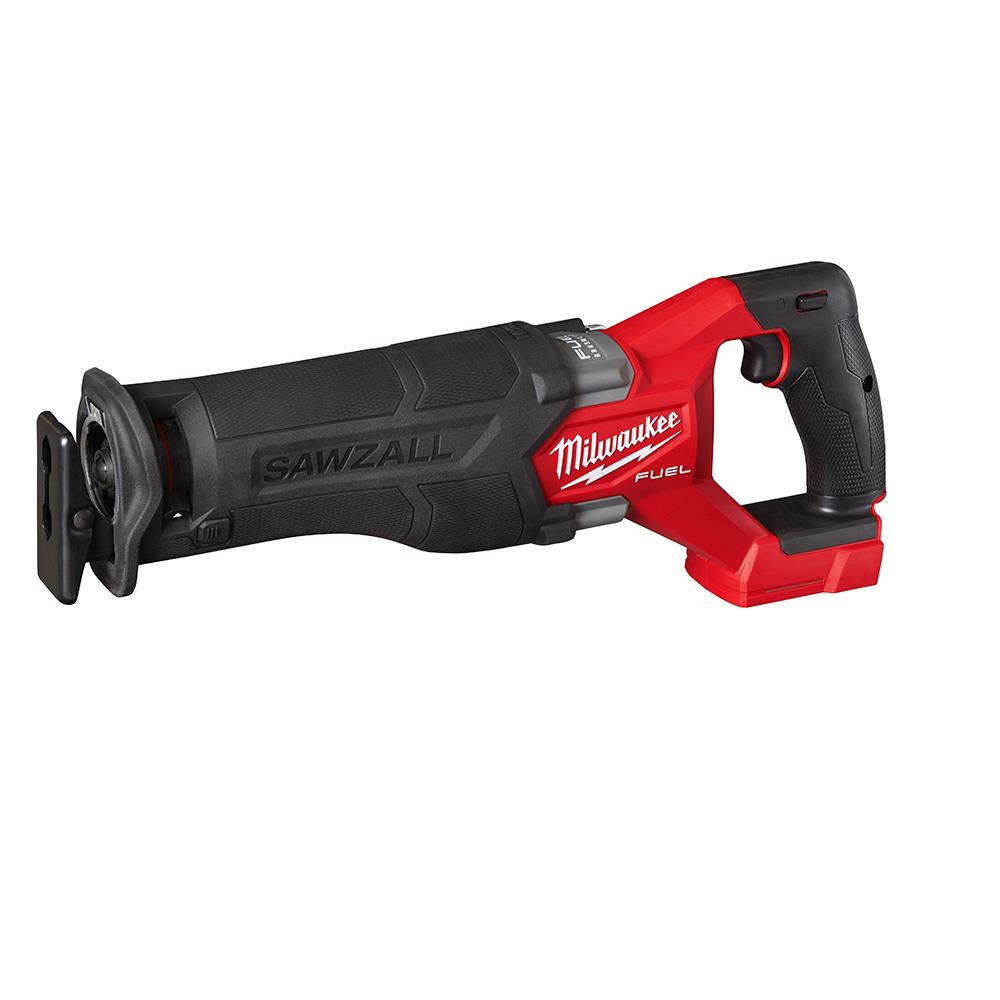
Plumbers use reciprocating saws for one purpose above all others: cutting pipe in confined spaces. Under sinks, inside wall cavities, in crawlspaces, and beneath floor joists — positions where a full-size recip saw becomes an obstacle rather than a tool. The spec that matters most is not stroke length or strokes per minute — it is how compact the tool is and whether it can be operated one-handed in a tight space.
This guide addresses the specific demands of plumbing work: pipe materials, confined access, and the blade selection that determines whether a cut goes cleanly or wanders. For a general reciprocating saw comparison across all uses, see our best reciprocating saws under $150 guide.
What Plumbers Need from a Recip Saw
Compact length (one-handed models): A standard full-size recip saw runs 17–19 inches. A one-handed or compact “hackzall” style runs 13–15 inches. Under a vanity cabinet or inside a wall, those 4 inches determine whether the tool fits at all.
Variable speed trigger: Different pipe materials require different cutting speeds. PVC and ABS cut cleanly at moderate speed. Copper and soft metals cut better at high speed with fine-tooth blades. Cast iron and galvanized require slow, controlled cuts with bi-metal blades to avoid blade overheating.
Keyless blade clamp: Plumbers change blades frequently — from wood blades for opening walls to metal blades for cutting copper to PVC-specific blades. A tool-free blade change system that works with one hand (often the case when the other hand is holding a pipe) matters in daily use.
Anti-vibration: Extended periods of recip saw use fatigue the hand and arm. Anti-vibration systems (counterbalance mechanisms in the housing) meaningfully reduce fatigue on long demo days or multi-unit plumbing roughin.
Platform compatibility: Like electricians, plumbers benefit from a single battery platform across their full tool set. The M18 and 20V MAX platforms both have deep saw catalogs.
Top Picks for Plumbers
Milwaukee M18 FUEL HACKZALL 2719-20 — Best Overall for Plumbing
| Spec | Value |
|---|---|
| Platform | Milwaukee M18 |
| Type | One-handed compact |
| SPM | 0–3,000 |
| Stroke Length | 1-1/8 inch |
| Overall Length | 14.5 inches |
| Weight (bare) | 3.6 lbs |
| Blade Clamp | QUIK-LOK tool-free |
| Warranty | 5 years |
| Price (tool-only) | $150–$190 |
Per Milwaukee’s product specifications, the M18 FUEL HACKZALL uses a POWERSTATE brushless motor in a compact one-handed form factor. The 14.5-inch overall length fits into confined spaces where full-size saws cannot reach. Milwaukee specifies the QUIK-LOK blade clamp for one-handed blade changes — a practical necessity on plumbing work where the other hand is steadying the pipe or pressing against a wall.
The 3,000 SPM no-load speed and 1-1/8” stroke give it adequate cutting speed for copper, CPVC, PVC, ABS, and cast-iron soil pipe. At 3.6 lbs, it is light enough for extended overhead and one-handed use. Milwaukee’s 5-year warranty on FUEL tools is the strongest in the class.
Best for: Plumbers who need the most compact, one-handed option for confined spaces. The M18 platform is the dominant choice among commercial and residential plumbers.
Limitation: Shorter stroke length (1-1/8”) is slightly less efficient on thick-wall cast iron than a full-size saw’s 1-1/4” or longer stroke.
Milwaukee M18 FUEL SAWZALL 2721-20 — Best Full-Size for Demo Work
| Spec | Value |
|---|---|
| Platform | Milwaukee M18 |
| Type | Full-size two-handed |
| SPM | 0–3,000 |
| Stroke Length | 1-1/4 inch |
| Overall Length | 18.5 inches |
| Weight (bare) | 5.2 lbs |
| Blade Clamp | QUIK-LOK tool-free |
| Anti-Vibration | COUNTERBALANCE system |
| Warranty | 5 years |
| Price (tool-only) | $180–$230 |
When the job involves opening walls, cutting through floor decking, or removing large sections of cast-iron drain pipe, a full-size saw delivers meaningfully more cutting speed and endurance than the compact HACKZALL. Per Milwaukee’s specifications, the COUNTERBALANCE anti-vibration system reduces vibration transmitted to the hand by 50% compared to non-counterbalanced saws — relevant for long demo sessions.
Many plumbers carry both: the HACKZALL for under-cabinet and in-wall confined cuts, and the full-size SAWZALL for demo and rough-in work. Both use M18 batteries.
DeWalt DCS367 — Best Compact for DeWalt Platform
| Spec | Value |
|---|---|
| Platform | DeWalt 20V MAX |
| Type | Compact (brushless) |
| SPM | 0–3,000 |
| Stroke Length | 1-1/8 inch |
| Overall Length | 15.5 inches |
| Weight (bare) | 4.2 lbs |
| Blade Clamp | Tool-free keyless |
| Anti-Vibration | No |
| Warranty | 3 years |
| Price (tool-only) | $130–$170 |
Per DeWalt’s product documentation, the DCS367 is a compact brushless reciprocating saw with 0–3,000 SPM and a 4-position blade clamp that accepts standard recip blades. The 15.5-inch overall length is slightly longer than the Milwaukee HACKZALL but still manageable in most confined plumbing spaces. DeWalt specifies variable speed trigger and keyless blade clamp for fast changes.
Best option for plumbers invested in the DeWalt 20V MAX platform who want a compact recip saw without switching battery systems.
Bosch GSA18V-125 — Best for Cast Iron and Heavy Pipe Work
| Spec | Value |
|---|---|
| Platform | Bosch 18V (CORE18V) |
| Type | Full-size |
| SPM | 0–3,000 |
| Stroke Length | 1-1/4 inch |
| Overall Length | 18.8 inches |
| Weight (bare) | 6.4 lbs |
| Blade Clamp | Tool-free |
| Anti-Vibration | Active vibration control |
| Warranty | 1 year |
| Price (tool-only) | $150–$200 |
Per Bosch’s specifications, the GSA18V-125 features Bosch’s Active Vibration Control (AVC) system, which uses counterweights to reduce vibration across all speed ranges — among the most effective anti-vibration systems in the class per third-party user reports. The 1-1/4” stroke length handles heavy-wall cast-iron soil pipe more efficiently than shorter-stroke compact saws. Best for plumbers who do a high volume of heavy cast-iron work and prioritize comfort over compactness.
Blade Selection for Plumbing Work
The saw is only part of the cut — blade selection determines speed, blade life, and cut quality on each material.
| Pipe Material | Recommended Blade | TPI |
|---|---|---|
| PVC / ABS | Diablo DS0606CF or similar plastic-cutting | 6 TPI |
| Copper / soft metals | Lenox GOLD bi-metal, fine tooth | 14–18 TPI |
| Cast iron / galvanized | Lenox B618R bi-metal or Diablo DS0618BF | 18 TPI |
| CPVC / PEX | Standard wood/demo blade | 6 TPI |
| Mixed demo (nail-embedded wood) | Diablo or Lenox nail-embedded demo | 6 TPI |
Check price on Amazon — Lenox bi-metal blade assortment →
Who This Is NOT For
- Electricians cutting conduit: A conduit cutter or hacksaw produces cleaner, deburr-free cuts on EMT and rigid conduit than a recip saw. Recip saws on conduit leave burrs that damage wire insulation if not dressed.
- Rough carpentry and framing: A reciprocating saw is the wrong tool for framing cuts. A circular saw or miter saw produces straighter, faster cuts in dimensional lumber.
- Operators who haven’t handled blade kickback: Recip saws kick back hard if the blade catches. New users should be aware that unsupported cuts — pipe not clamped or held firmly — can cause the blade to grab and the tool to lurch. Always support the workpiece.
Related Guides
- Best Reciprocating Saws Under $150 — general comparison across all uses
- DeWalt vs Milwaukee vs Makita Battery Platform — platform selection guide
- Best Cordless Drills for Electricians — companion trade guide
Sources
- Milwaukee M18 FUEL HACKZALL 2719-20 and SAWZALL 2721-20 product specifications (milwaukeetool.com)
- DeWalt DCS367 product data sheet (dewalt.com)
- Bosch GSA18V-125 product specifications (boschtools.com)
- Lenox blade selection guide for pipe cutting applications
- Diablo blade product specifications and material compatibility data