Best Metal Chop Saws in 2026
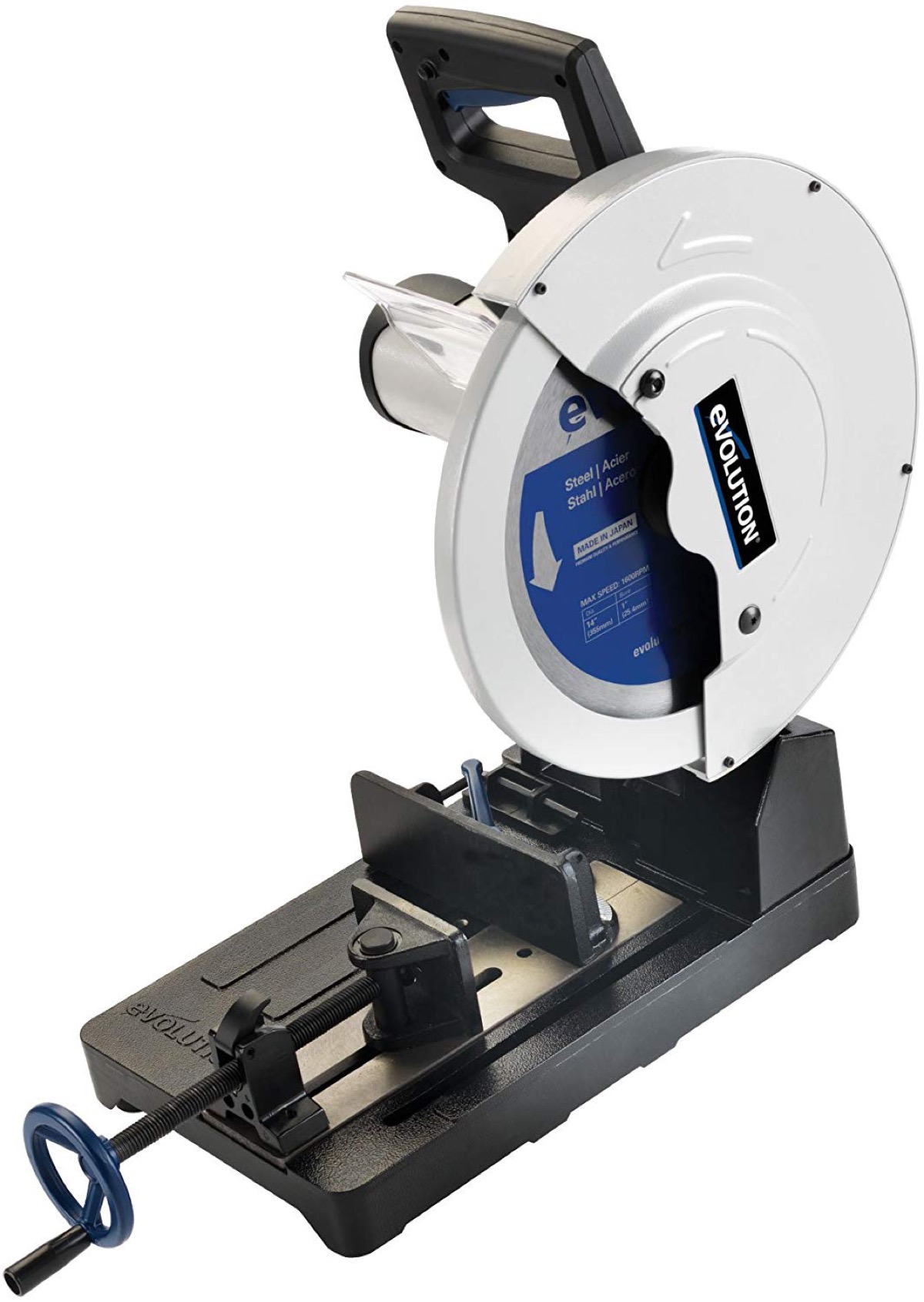
Metal chop saws divide into two fundamentally different cutting technologies that determine where sparks go, how hot the workpiece gets, and what kind of cut surface you get. Understanding the distinction before purchasing prevents the most common chop saw buying mistake — choosing based on price alone when the cutting technology determines the tool’s usefulness for a given application.
This guide compares metal chop saws based on published manufacturer specifications, focusing on the abrasive vs. cold-cut technology split, cut capacity, and the shop applications each type handles. For where a cutoff saw fits in an overall shop build and budget, see the home shop setup cost guide.
Abrasive vs. Cold Cut: The Fundamental Difference
Per manufacturer documentation and metalworking trade standards:
| Feature | Abrasive Chop Saw | Cold Saw / Multi-Cutter |
|---|---|---|
| Blade type | Abrasive wheel | Carbide-tipped or TCT |
| RPM | 3,500-4,000 RPM | 1,000-1,750 RPM |
| Cut mechanism | Friction/grinding | Chip formation |
| Sparks | Heavy (fire hazard) | None or minimal |
| Heat in cut | High (work-hardens stainless) | Low (stays cold) |
| Cut surface | Rough, burr-heavy | Clean, near-finish |
| Blade cost | $5-$15 per wheel | $50-$200 per blade |
| Wheel life | 20-50 cuts | 1,000+ cuts |
| Price | $100-$200 | $250-$600 |
Abrasive chop saws are high-RPM grinders — the wheel removes metal through friction at temperatures high enough to work-harden stainless steel, create fire hazards from flying sparks, and leave burry cut surfaces that require grinding before assembly. Per OSHA 29 CFR 1926.303, abrasive wheel tools require face shields (not just safety glasses) due to wheel fragmentation risk.
Cold saws and multi-cutter saws rotate at low RPM with carbide-tipped or TCT blades that cut through chip formation — the same mechanism as a circular saw cutting wood. The chip carries away heat, leaving both the blade and workpiece cool to the touch. Per manufacturer documentation, cold cut surfaces are often clean enough to use without secondary grinding.
Key Specifications
Cut capacity: Specified separately for round stock (bar), square/flat stock, and tubing. A 14-inch abrasive wheel cuts larger stock than a 12-inch cold saw blade, but the RPM and blade type determine the cut quality, not just capacity.
Vise: Precision metalworking requires a vise that holds the workpiece immovable during the cut. Per user data, vise quality differentiates production results — a loose vise causes chatter, deflection, and out-of-square cuts. Look for cast iron or steel vise bodies with quick-clamp mechanisms for high-volume production.
Angle cutting: Most metal chop saws provide 0-45° or 0-60° miter cutting for fabrication work. Per manufacturer documentation, angle accuracy is typically specified as ±1° on abrasive saws and ±0.5° on cold saws — relevant for tubing miters on structural assemblies.
Top Metal Chop Saws by Specification
DeWalt DW872 — Best Cold-Cut Multi-Cutter
| Specification | Value |
|---|---|
| Blade Size | 14” |
| RPM | 1,350 |
| Motor | 15 Amp, 120V |
| Round Capacity | 5” |
| Square Capacity | 4-3/8” |
| Tubing Capacity | 5” O.D. |
| Miter Range | 0-45° (left and right) |
| Blade Type | Multi-cutter (abrasive wheel or cold saw blade) |
| Weight | 42 lbs |
| Warranty | 3 years |
| Price Range | $300-$380 |
Per DeWalt’s specifications, the DW872 accepts both standard 14-inch abrasive wheels and 14-inch cold saw blades — it runs at 1,350 RPM, which is appropriate for cold saw chip-forming cuts. At 1,350 RPM, the tool will accept abrasive wheels but runs below their optimal RPM, which per abrasive wheel manufacturers affects cut speed but improves wheel life. Most users equip the DW872 with a cold saw or TCT blade and run it in cold-cut mode permanently. Per DeWalt documentation, the 5-inch round capacity and 4-3/8-inch square capacity cover structural tubing, angle iron, channel, and pipe sizes common in fabrication work.
Best for: Fabrication shops, pipe fitters, and steel contractors who need clean cuts in structural steel, pipe, and tubing without the fire hazard and heat of abrasive cutting. The 5-inch round capacity covers schedule 40 pipe through approximately 4-inch nominal size.
Limitation: Cold saw blades for 14-inch tools cost $80-$150 vs. $10-$15 for abrasive wheels. Not suitable for cutting concrete, masonry, or materials requiring high-speed cutting. At 42 lbs, this is a stationary bench tool.
Evolution RAGE2 — Best for Multi-Material Cutting
| Specification | Value |
|---|---|
| Blade Size | 14” |
| RPM | 3,700 |
| Motor | 15 Amp, 120V |
| Round Capacity | 4-1/4” |
| Square Capacity | 3-3/4” |
| Flat Stock | 6” x 1/4” |
| Miter Range | 0-45° |
| Blade Type | Evolution TCT multi-purpose |
| Weight | 38 lbs |
| Warranty | 3 years |
| Price Range | $150-$200 |
Per Evolution’s specifications, the RAGE2 runs at 3,700 RPM with a TCT (tungsten carbide tipped) multi-purpose blade that cuts mild steel, aluminum, copper, and plastic with the same blade. Per Evolution’s published data, the TCT blade generates chips rather than grinding sparks — Evolution’s marketing specifies “virtually no sparks” though users report some sparking on structural steel. The cut quality is between abrasive and true cold saw: better than abrasive, not as precise as a dedicated cold saw setup.
Best for: Light fabrication, DIY metal work, and shops that cut a mix of materials (steel studs, aluminum extrusion, copper pipe, and plastic conduit) without wanting to change blade types. The multi-material capability and lower price point make this the most versatile entry-level option.
Limitation: 4-1/4-inch round capacity limits this saw to lighter structural sizes. TCT blades cost more per cut than abrasive wheels but produce better quality. Not a replacement for a true cold saw in precision fabrication environments.
Milwaukee 6177-20 — Best Abrasive Cut-Off Saw
| Specification | Value |
|---|---|
| Blade Size | 14” |
| RPM | 3,800 |
| Motor | 15 Amp, 120V |
| Round Capacity | 4-3/8” |
| Square Capacity | 3-1/4” |
| Flat Stock | 4-3/8” x 3/8” |
| Miter Range | 0-45° |
| Blade Type | Abrasive wheel |
| Weight | 36 lbs |
| Warranty | 5 years |
| Price Range | $130-$180 |
Per Milwaukee’s specifications, the 6177-20 is a dedicated abrasive cut-off saw at 3,800 RPM. Per Milwaukee’s documentation, the tool features a quick-lock vise for fast workpiece changes and a guard design that channels sparks downward. The 5-year warranty is longer than competitors. Per OSHA 29 CFR 1926.303, abrasive wheel chop saws require wheel inspection before each use — check for cracks, chips, or damage, as a fragmented abrasive wheel at 3,800 RPM creates a serious injury risk.
Best for: Shops doing high-volume steel cutting where cut surface quality is secondary — rebar cutting, rough structural steel, bolt cutting, demolition work. The abrasive wheel operating cost of $10-$15 per wheel makes high-volume use economical vs. cold saw blade replacement cost.
Limitation: Heavy spark production requires fire-safe environment and face shield. Abrasive cutting heat work-hardens stainless steel edges. Cut surfaces require grinding before weld prep or assembly fitup. Not suitable for aluminum — abrasive wheels can load up with aluminum and shatter.
Makita LC1230 — Best Precision Cold Saw
| Specification | Value |
|---|---|
| Blade Size | 12” |
| RPM | 1,400 |
| Motor | 15 Amp, 120V |
| Round Capacity | 3” |
| Square Capacity | 3-7/8” |
| Flat Stock | 5-3/4” x 7/16” |
| Miter Range | 0-45° |
| Blade Type | Carbide-tipped dry-cut |
| Weight | 44 lbs |
| Warranty | 1 year |
| Price Range | $400-$500 |
Per Makita’s specifications, the LC1230 is a dedicated dry-cut cold saw running at 1,400 RPM with a carbide-tipped blade. Per Makita’s documentation, the blade produces chips rather than sparks, and the cut surface quality is specified as suitable for welding without secondary grinding — per Makita’s published data, the cut surface roughness (Ra) is significantly lower than abrasive cutting. The 12-inch blade limits round stock capacity to 3 inches versus the 14-inch tools’ 4-5 inch range.
Best for: Fabricators and welders who need consistent weld-ready cut surfaces without secondary grinding. The dry-cut cold saw format is the standard in pipe fabrication, HVAC ductwork shops, and structural steel detail shops where cut quality directly affects assembly quality.
Limitation: 3-inch round capacity limits this to lighter structural sizes and smaller pipe. At $400-$500, this is the highest cost entry in the comparison. The 1-year warranty is shorter than competitors.
Comparison Table
| Model | Blade | RPM | Round Capacity | Technology | Sparks | Weight | Price |
|---|---|---|---|---|---|---|---|
| DeWalt DW872 | 14” | 1,350 | 5” | Multi-cutter | Minimal | 42 lbs | $300-$380 |
| Evolution RAGE2 | 14” | 3,700 | 4-1/4” | TCT multi-material | Minimal | 38 lbs | $150-$200 |
| Milwaukee 6177-20 | 14” | 3,800 | 4-3/8” | Abrasive | Heavy | 36 lbs | $130-$180 |
| Makita LC1230 | 12” | 1,400 | 3” | Cold saw | None | 44 lbs | $400-$500 |
Best Metal Chop Saw by Shop Type
Fabrication and welding shops: Production fab shops cut structural steel, tubing, and pipe to length for weld assembly. The priority is cut quality (square, clean, no secondary grinding required) and capacity (4-inch and larger structural sizes). The DeWalt DW872 with a cold saw blade handles structural tubing, angle iron, and pipe through 5-inch round — the sizes that cover most light structural fabrication. The near-spark-free operation is critical in a welding shop where combustible materials and gases are present.
HVAC and plumbing contractors: HVAC sheet metal fabrication and pipe cutting involve lower volumes of precise cuts. The Evolution RAGE2 handles duct metal, light steel studs, copper pipe, and conduit with one blade — the multi-material capability reduces the need for multiple tools on a service truck. The lower price point reflects the lighter-duty HVAC use cycle.
Rebar and structural steel: Concrete contractors and ironworkers cutting rebar, threaded rod, and structural steel for site assembly need high-throughput abrasive cutting where cut surface quality is secondary to speed and volume. The Milwaukee 6177-20 handles this use pattern — abrasive wheels are cheap, the tool is durable, and volume cutting amortizes blade cost efficiently.
Pipe and pressure fitting shops: Precision pipe fabrication for process piping, sprinkler systems, and structural assemblies requires square, burr-free cuts that minimize secondary prep work. The Makita LC1230 dry-cut cold saw produces the cleanest cut surfaces in this comparison and is the appropriate tool for high-precision pipe prep applications.
Who This Is NOT For
- Woodcutting applications. Metal chop saws are designed for metal only — carbide blades will cut wood, but abrasive wheels and the tool’s design make it dangerous and inefficient for lumber. Use a miter saw for wood.
- Stainless steel with an abrasive saw. Abrasive cutting generates heat that work-hardens stainless steel edges and contaminates the cut surface with carbon from the abrasive wheel, which can cause rust staining on stainless. Cold cutting is required for stainless steel fabrication.
- Aluminum with an abrasive saw. Aluminum loads abrasive wheels and can cause wheel shattering. An Evolution-type TCT blade or cold saw is required for aluminum cutting.
- High-volume production environments. A shop making dozens of identical cuts per shift should consider a horizontal band saw or automatic cold saw — a manual chop saw requires operator fatigue management and lacks feed rate control.
What You’ll Also Need
- DEWALT DWA8014 14” Metal Cutting Wheel ($10-$15): Replacement abrasive wheels for the Milwaukee 6177-20 or as a backup wheel for multi-cut tools. Compatible with 14-inch 1-inch arbor tools. Check price on Amazon →
- Evolution 14-inch Multi-Purpose TCT Blade ($60-$80): Replacement blade for the Evolution RAGE2. The multi-material TCT blade cuts steel, aluminum, and plastic — one blade for the truck. Check price on Amazon →
- Vise-Grip Locking C-Clamp 11” (83) 2-Pack ($25-$35): Secondary workpiece hold-down for angle cuts and long stock that extends beyond the built-in vise’s clamping range. Check price on Amazon →
Sources
- DeWalt DW872 14-inch multi-cutter product specifications (dewalt.com)
- Evolution RAGE2 product documentation (evolutionpowertools.com)
- Milwaukee 6177-20 abrasive cut-off saw specifications (milwaukeetool.com)
- Makita LC1230 dry-cut cold saw product documentation (makitatools.com)
- OSHA 29 CFR 1926.303 — Abrasive wheels and tools safety standards
- American National Standards Institute (ANSI) B7.1 — Safety requirements for the use, care, and protection of abrasive wheels